Creating a global cryopreservation network for corals

  • Mexico, Puerto Morelos
  • Curaçao, Willemstad
  • United States, Florida
  • Australia, New South Wales
  • United States, Oahu, Hawai'i
  • United States, Washington, D.C.
  • Coral cryopreservation

Credits: Global Cryopreservation Network
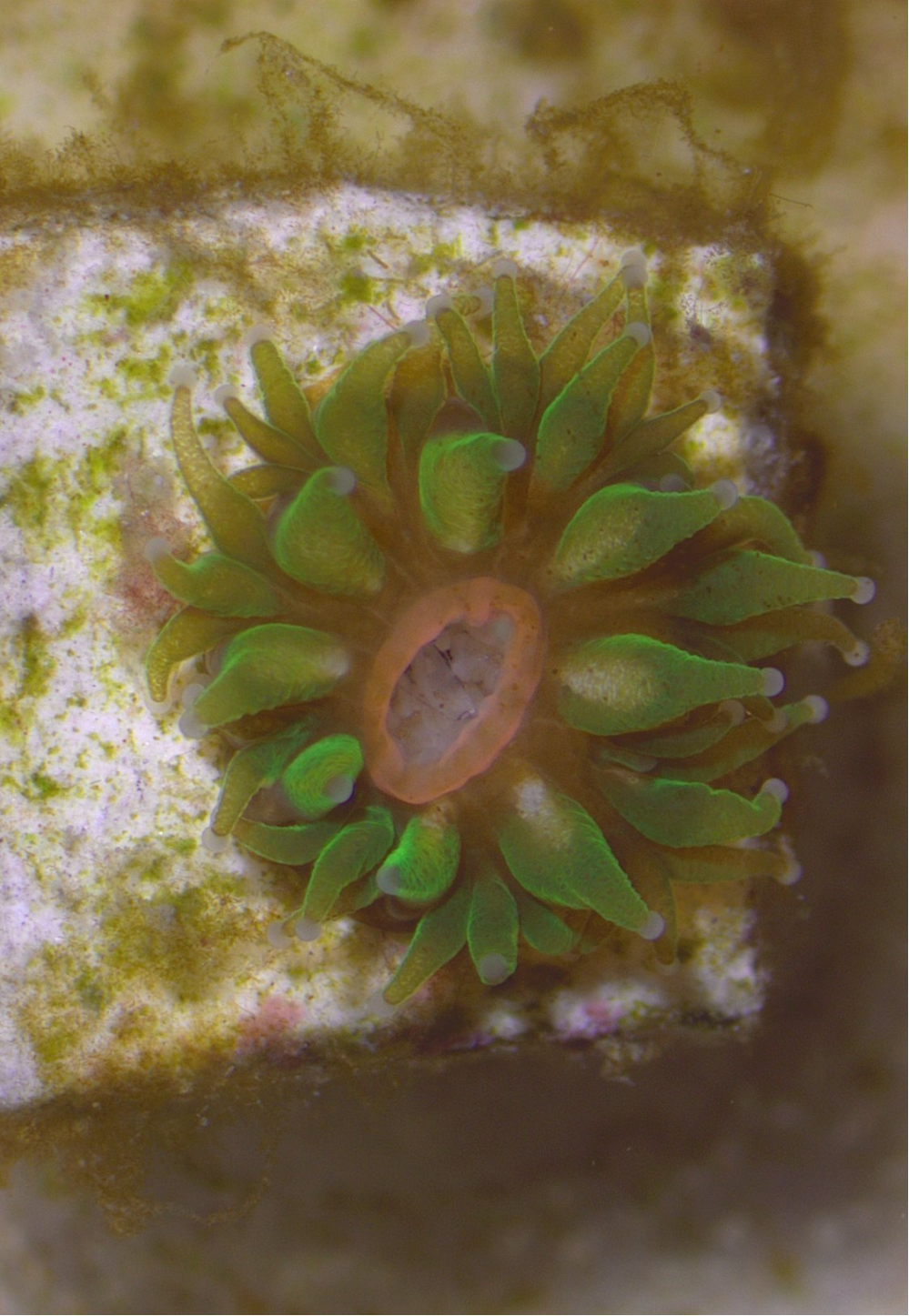
Facing a challenge

Coral reefs are under threat worldwide, with reef-building coral populations declining in both numbers and genetic diversity. To help address this loss, scientists are using in vitro fertilization and cryopreservation to preserve coral genetic material and ensure it remains available for future restoration efforts. Although scientists have successfully frozen coral sperm, embryos, and larvae — which can later be thawed and used to support reef recovery — these techniques are currently limited to a small number of regions and research teams.
CHALLENGE_credits_Global Cryopreservation Network

Credits: Global Cryopreservation Network
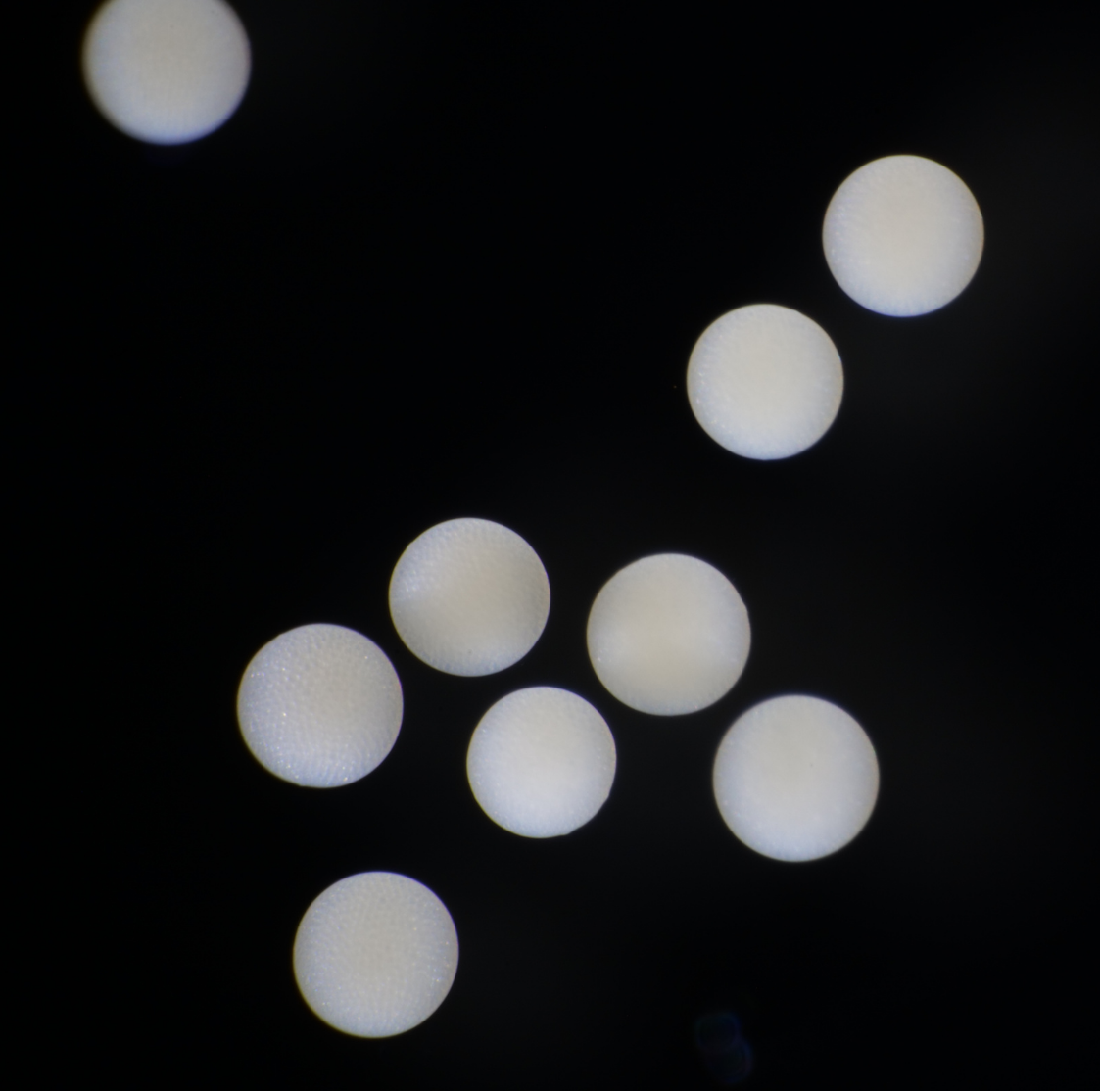
With an innovative solution

This project aims to establish a Global Coral Cryopreservation Network, expanding access to cryopreservation techniques and building capacity worldwide. It will create multiple regional hubs, grow frozen coral collections, and develop multilingual training resources. To achieve this, the team will:
  • establish and equip five regional nodes (“coral fertility clinics”) to serve as biobanking and training centres
  • optimize and implement larval cryopreservation across network nodes, refining protocols for freezing, storing, thawing, and propagating multiple coral species
  • develop an online training platform with multilingual video courses and downloadable resources
  • integrate existing systems to create a unified global database for coral biorepository data
  • train new practitioners in coral breeding, cryopreservation, and conservation techniques
SOLUTION_credits_Global Cryopreservation Network

Credits: Global Cryopreservation Network

What impact looks like

  • Creation of a globally connected coral cryopreservation network, with five biobanking hubs in key reef regions: Hawaii, Florida, Curaçao, Mexico, and Australia
  • Standardized methods for coral sperm and larval cryopreservation, supported by an accessible training platform
  • Development of a global database to support coral genetic resource management
  • Increased capacity of coral restoration practitioners on coral cryopreservation

Project Title

Establishing the Global Coral Cryopreservation Network

Lead

Dr. Mary Hagedorn

Co-leads

Dr. María Victoria Grosso-Becerra, Dr. Harvey Blackburn, Dr. John Bischof, Dr. Pierre Comizzoli, Nikolas Zuchowicz, Dr. Kristen Marhaver, Dr. Anastasia Banaszak, Dr. Jonathan Daly, Keri O’Neil

Countries involved

Mexico, Curaçao, Australia, and United States of America

Takes place

Puerto Morelos (Mexico), Willemstad (Curaçao), New South Wales (Australia), Florida (USA), Washington, D.C. (USA), and Oahu (Hawaiʻi, USA)

Supporting institutions

Smithsonian Institution, Universidad Nacional Autónoma de México, United States Department of Agriculture, University of Minnesota, Multiplier, CARMABI Foundation, Taronga Conservation Society, The Florida Aquarium

Total budget

USD 1,499,922.00

Duration

January 2024 – June 2027

    • Implemented cryopreservation methods across all five network nodes
    • Successfully cryopreserved larvae of the endangered pillar coral (Dendrogyra cylindrus)
    • Expanded knowledge on eight coral species across five sites
    • Developed a new training module for larval cryopreservation
    • Improved protocols by producing smaller coral embryos to facilitate cryopreservation
    • Equipped four institutions with cryopreservation infrastructure
    • Trained 17 practitioners across the five main hubs
    • Reared approximately 170 D. cylindrus coral recruits
    • Demonstrated survival and settlement in multiple species following cryopreservation
    • Cryopreserved larvae of critically endangered coral species, including D. cylindrus
    • Strengthened cryopreservation infrastructure in Mexico, Curaçao, and the United States
    • Trained over 100 practitioners through five international workshops
  1. 2026
  2. 2027

Share this project

Email
X
Facebook
LinkedIn
WhatsApp