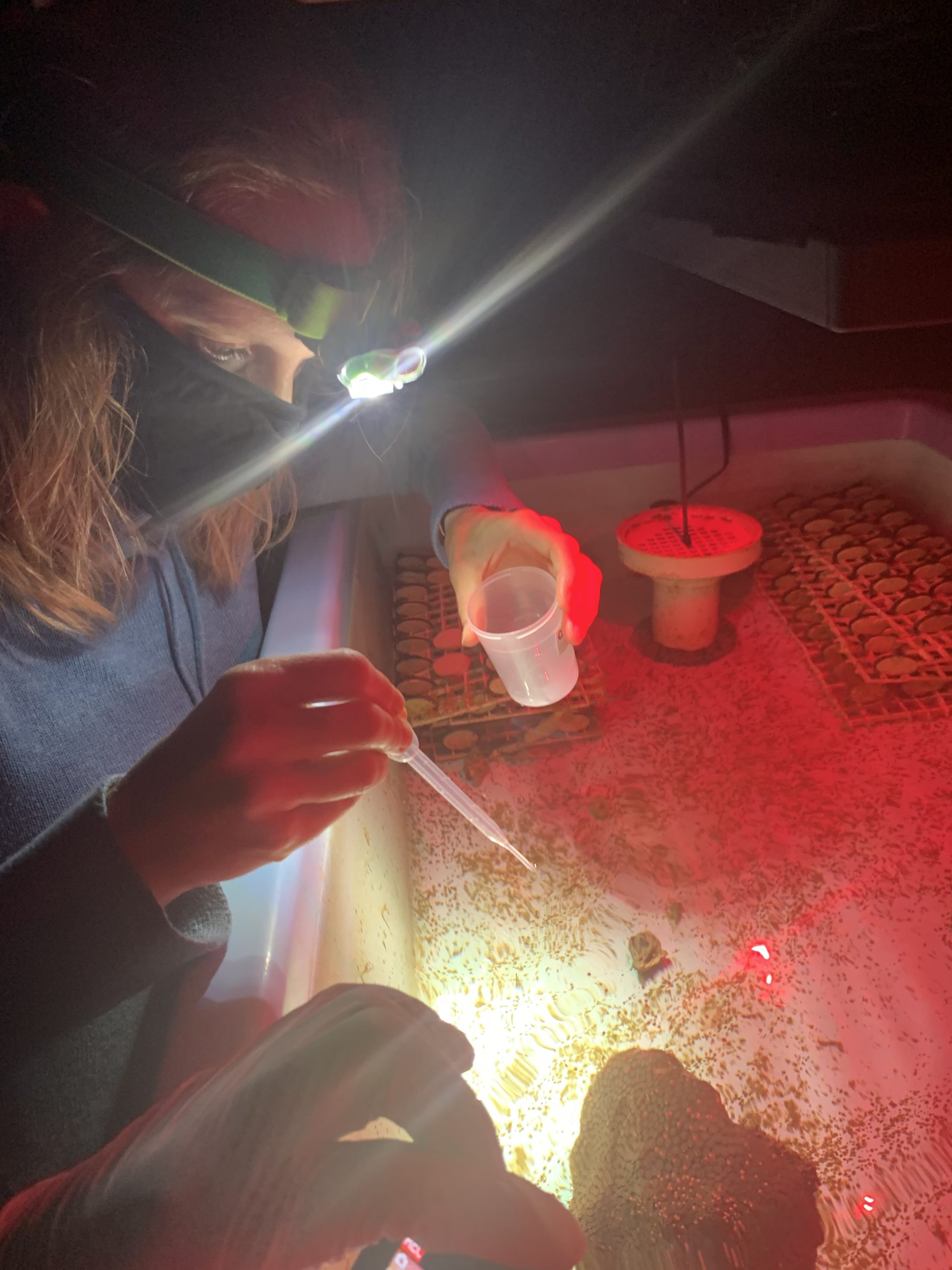
Editing genes to build more heat-resilient corals

  • United States
  • Philippines
  • Climate adaptation and resilience

Credits: Nicole Fogarty
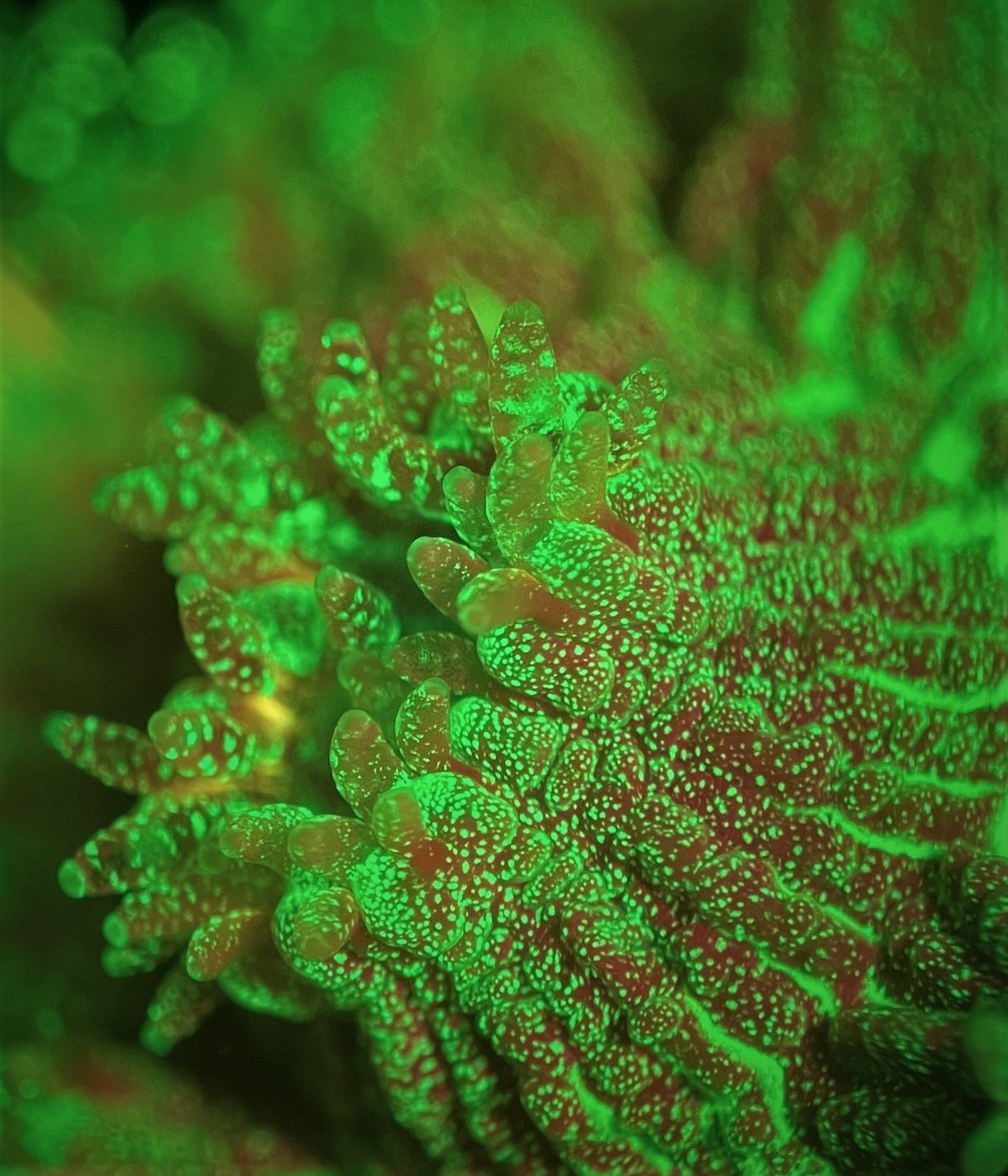
Facing a challenge

Coral reefs are declining globally due to stressors such as rising sea temperatures, pollution, and diseases, among other threats. Genetic engineering offers opportunities to develop highly tailored solutions to address these challenges and has helped some species recover from near extinction. However, this technology remains difficult to apply in corals, mainly due to technical and logistical challenges associated with using advanced gene-editing techniques during coral spawning in remote locations.
CHALLENGE_creditsNicoleFogarty

Credits: Nicole Fogarty

With an innovative solution

The team will apply a gene-editing technique to develop transgenic corals capable of activating protective genes in response to stress. To achieve this, the researchers will:
  • expose corals (both larvae and adults) from the Atlantic and Indo-Pacific regions to controlled heat-stress experiments
  • sequence and analyze coral genomes to identify regions activated during heat stress that can drive the expression of protective genes
  • create genetically modified corals by inserting genes into fertilized coral eggs following laboratory spawning events
SOLUTION_creditsNicoleFogarty

Credits: Nicole Fogarty

What impact looks like

  • Enable functional genomic studies by making coral gene-editing protocols publicly accessible
  • Provide ethical and policy recommendations on the large-scale use of transgenic corals
  • Inform global policy on transgenic organisms and pave the way for innovative reef restoration strategies
  • Train research teams in transgenic technologies to support coral restoration efforts

Project Title

Genetically modified corals: a useful technology to restore reefs?

Lead

Dr. Nicole Fogarty

Co-leads

Dr. Michael Atrigenio, Dr. Jacob Warner, Dr. Cecilia Conaco, Dr. Nathan Crowe

Countries involved

United States of America and the Philippines

Takes place

United States of America and the Philippines

Supporting institutions

University of North Carolina Wilmington, University of the Philippines

Total budget

USD 1,498,095

Duration

January 2024 – December 2027

    • Established a coral culture facility in the Philippines
    • Conducted heat stress experiments on Acropora digitifera
    • Reared Orbicella faveolata larvae to study survival rates after heat stress exposure
    • Built a closed seawater system to house and raise transgenic coral colonies
    • Hosted a workshop with 40 participants at an international conference
    • Conducted heat-stress experiments on coral larvae for genomic analysis
    • Hosted one international workshop on genetically engineered corals
    • Developed heat-shock reporter construct for Orbicella faveolata
  1. 2026
  2. 2027

Share this project

Email
X
Facebook
LinkedIn
WhatsApp