Listening to corals to restore reefs

  • Ecuador, Galápagos Islands
  • Coral restoration

Credits: Joshua Vela
Facing a challenge

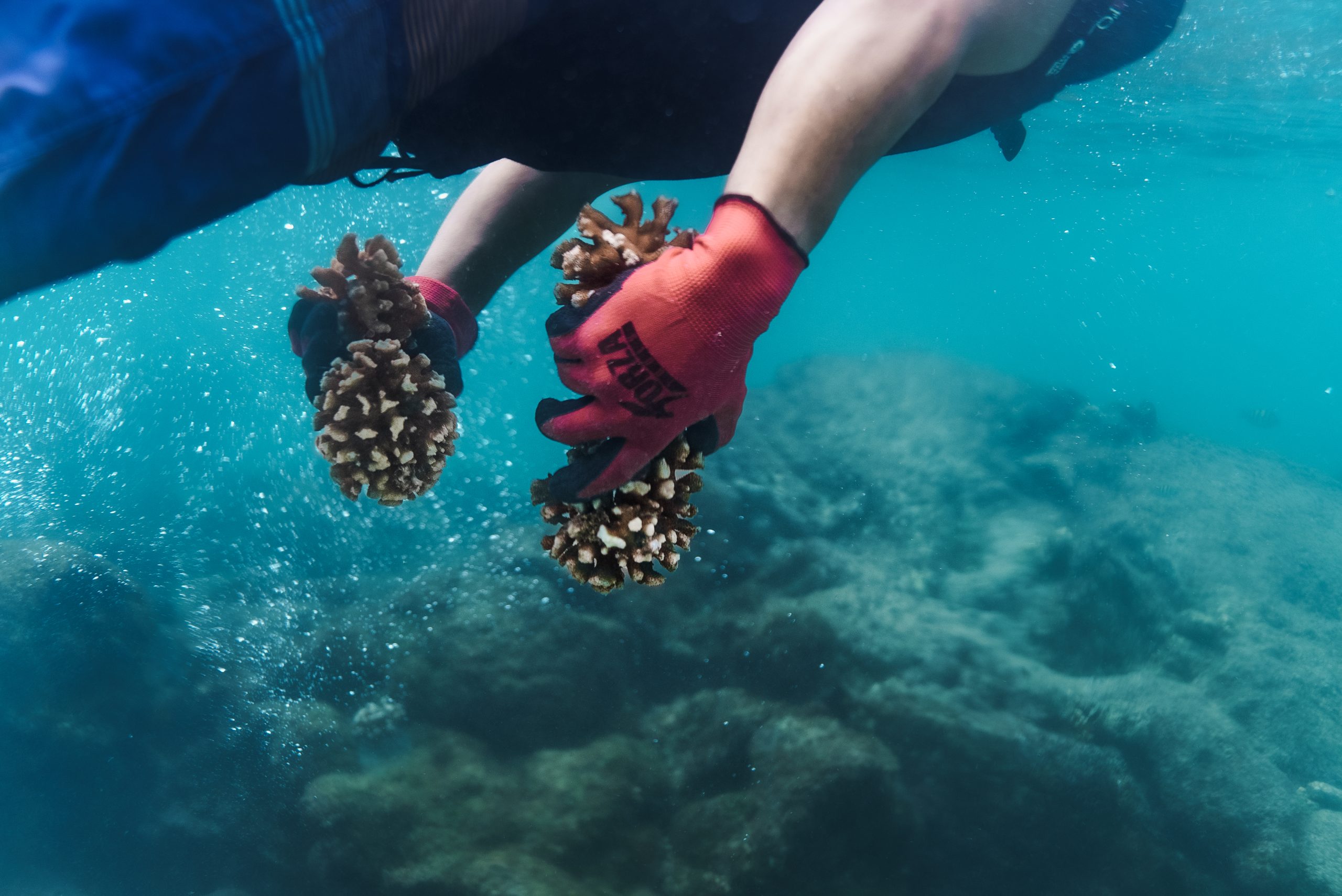
Coral reefs in the Galápagos, though limited in extent, are essential habitats for marine biodiversity. Unfortunately, almost all of them were lost in the 1980s, and natural recovery has been slow. To accelerate this process, restoration efforts started on Isabela Island in 2022, but monitoring coral restoration through traditional techniques requires extensive snorkeling or diving, and manual recordings, making it a highly time-consuming activity.
CHALLENGE_credits_ReefRevival

Credits: Joshua Vela

With an innovative solution

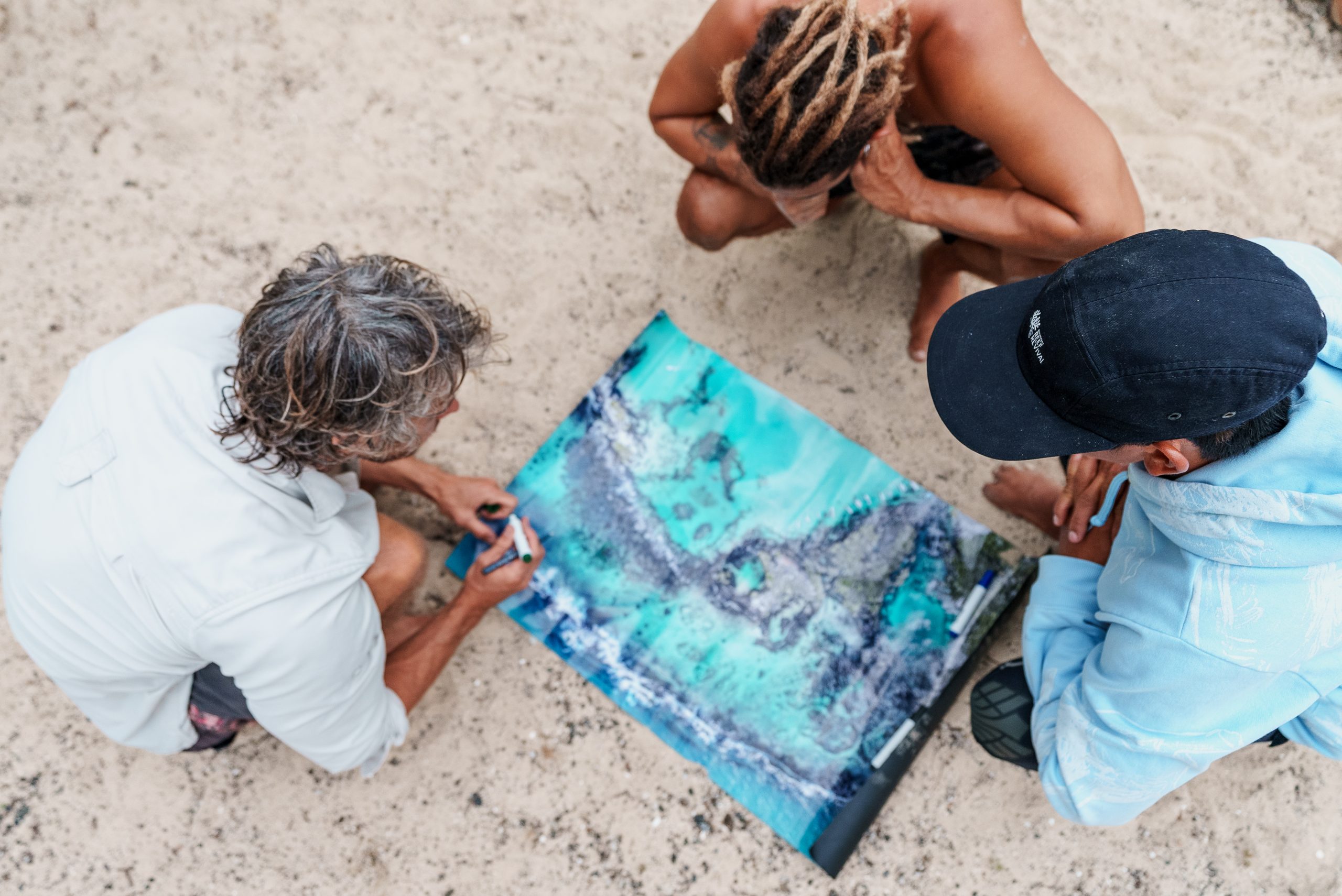
The team is exploring a novel approach called acoustic enrichment: listening to reefs, recording their soundscapes and playing back sounds that promote coral larvae settlement. To do so, researchers will:
  • install hydrophones at different sites at key times of the day to record reef sounds
  • analyze the recordings by using Artificial Intelligence to identify specific patterns
  • deploy underwater speakers (known as Reef Acoustic Playback System – RASP), play back pre-recorded sounds sourced from healthy reefs in Isabela Island and track coral larvae settlement
  • test three types of tiles where coral larvae can settle and identify the best option to be used in coral restoration
SOLUTION_credits_ReefRevival

Credits: Joshua Vela

What impact looks like

  • Build long-term R&D expertise in the region through training 20 local people in advanced analytical acoustics skills
  • Develop a tested approach to speed up coral reef monitoring
  • Strengthening biodiversity in the region due to restored reefs providing habitat and shelter for fish and invertebrates
  • Conservationists and policymakers can use the findings to develop strategies for accelerating coral restoration efforts

Project Title

Smart Revival: AI and Acoustic Technologies for Monitoring and Enhancing Coral Restoration in the Galápagos

Lead

Prof. Margarita Brandt

Co-leads

Catalina Ulloa, Nicolás Dávalos, Jenifer Suarez, Benjamin Kellenberger, Felipe Grijalva, Xavier Mouy, Blanca Ríos-Touma.

Countries involved

Ecuador, Switzerland, and USA

Takes place

Galápagos Islands, Ecuador

Supporting institutions

Universidad San Francisco de Quito (USFQ), Galapagos Reef Revival, Galápagos National Park, École Polytechnique Fédérale de Lausanne, Woods Hole Oceanographic Institution

Total budget

USD 99,948

Duration

January 2026 – January 2028

  1. 2026
  2. 2027
  3. 2028

Share this project

Email
X
Facebook
LinkedIn
WhatsApp