Tracking water quality to boost coral restoration

  • Indonesia, Raja Ampat Archipelago
  • Coral restoration
  • Water quality

Credits: Nur Abu

Facing a challenge

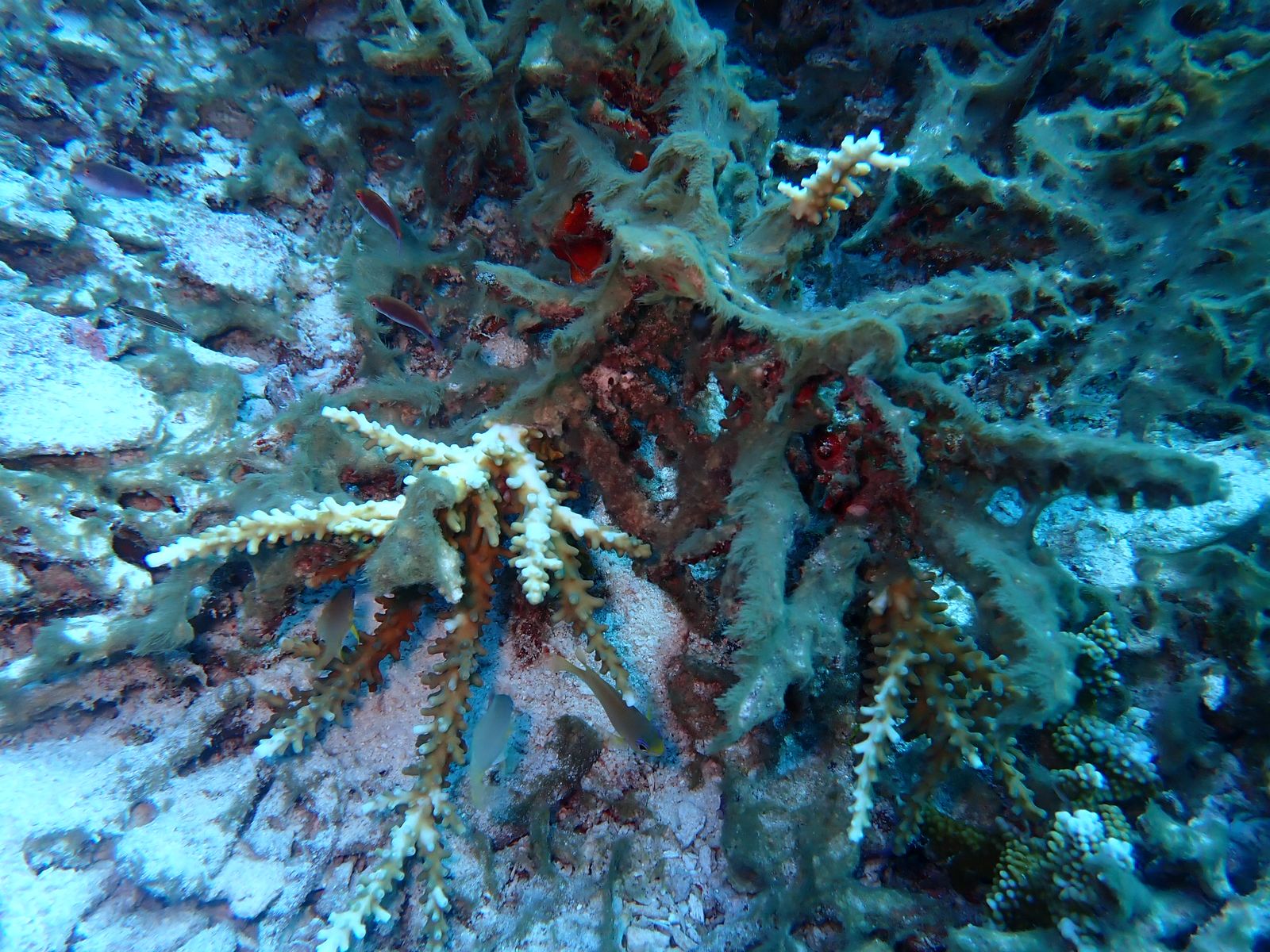
Over the last decades, the Raja Ampat Archipelago in Indonesia, known as one of the most species-rich ecosystems on Earth, has been facing increasing water quality issues due to a 4,500% increase in tourism (2007-2019). Heavy metal contamination, widespread cyanobacterial blooms and coral-killing sponge outbreaks combined compromise coral health, increase reef vulnerability, slow its recovery and undermine the success of many coral restoration projects across the region.
CHALLENGE_credits_NurAbu

Credits: Nur Abu

With an innovative solution

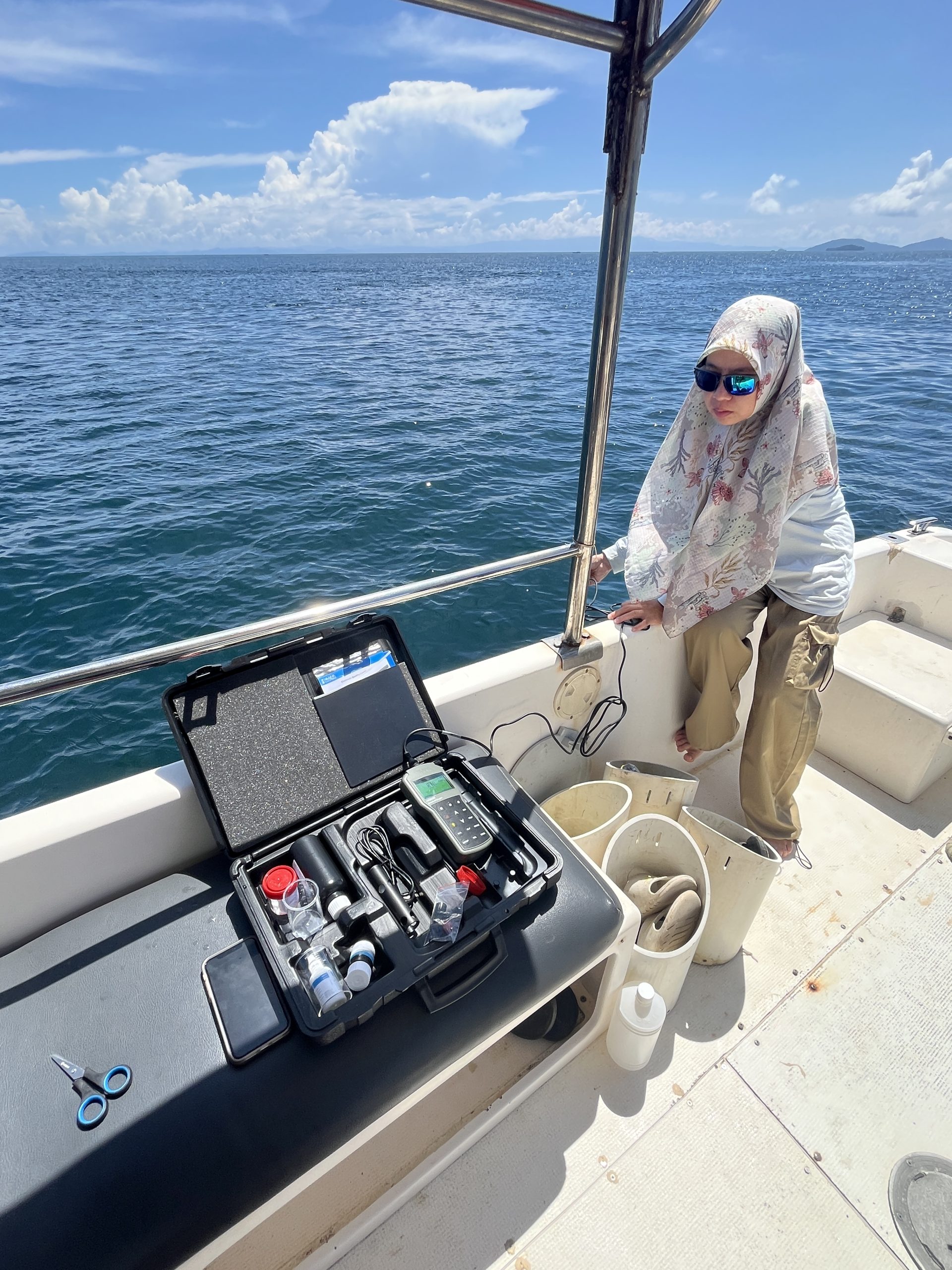
To contribute to solve the problem at the source, this team will assess the extent of water pollution linked to wastewater management and the impacts of rapidly growing tourism by:
  • monitoring water parameters, the presence of cyanobacteria and coral-killing sponges, and the coral microbial community in nine sites with different levels of disturbance
  • testing if water pollution affects the capacity of corals to withstand thermal stress
SOLUTION_credits_NurAbu

Credits: Nur Abu

What impact looks like

  • Production of water quality maps of nine study sites that highlight areas distressed by man-made pollution
  • Provide evidence-based recommendations for improved waste management and mitigation of overtourism impacts, supporting sustainable development
  • Inform future coral restoration efforts within Raja Ampat National Park, ensuring the success of future restoration efforts
  • Generate a list of microbial taxa associated with tolerant coral irrespective of water quality, which may be used for subsequent probiotic development
  • Enhanced local scientific capacity, supporting scholars through research visits, laboratory training, and capacity-building initiatives
  • Strengthens local communities’ ability to sustainably manage their marine resources

Project Title

Quantifying Water Quality and Microbial Drivers of Marine Heatwave on Coral Reef Resilience to Inform Restoration in Raja Ampat

Lead

Nur Abu

Co-leads

Awaludinnoer Ahmad, Syafri Tuharea, Prof. Carly D. Kenkel

Countries involved

Indonesia and USA

Takes place

Raja Ampat Archipelago (Indonesia)

Supporting institutions

University of Muhammadiyah Sorong (UNAMIN), Yayasan Konservasi Alam Nusantara (YKAN), BLUD UPTD Raja Ampat MPA, University of Southern California

Total budget

USD 99,707

Duration

March 2026 – March 2027

  1. 2026
  2. 2027

Share this project

Email
X
Facebook
LinkedIn
WhatsApp