

Coral reefs are critical to everyone. Losing them is not an option.
Coral reefs are underwater cities that teem with activity and support more than 30% of our planet’s marine species. Despite appearances, corals are not inanimate rocks. They are made up of living organisms, sometimes hundreds of thousands of tiny individuals called polyps, which group together to form the backbone of the reef ecosystem.
As small as they may be, corals and coral reefs have a profound influence on human lives, supporting biodiversity, livelihoods, food security, scientific research and coastal protection.
Corals exist in different forms and environments. Some build the hard structures associated with tropical coral reefs, while others create soft colonies or live in the deep, cold waters of the world’s oceans.
Together, these corals form complex habitats that support marine species and contribute to the health of ocean ecosystems.
Coral reefs are among the most valuable ecosystems on Earth, spanning more than 100 countries and territories.
They are vital to human wellbeing, providing food, medicine and economic opportunities, supporting livelihoods and offering coastal protection.
Our reefs directly benefit at least half a billion people around the world, providing ecosystem services that add up to at least USD 1 trillion per year.
Human activity has already damaged or destroyed more than two-thirds of the world’s coral reefs, threatening one of our most valuable and vibrant ecosystems.
Without urgent intervention, scientists predict that up to 90% of coral reefs could disappear by 2050 under a 1.5°C warming scenario.
That threshold has already been exceeded, with the world currently on a trajectory towards 2°C of warming. This could lead to the loss of 99% of coral reefs.
For the first time, humanity risks causing the collapse of an entire ecosystem, one that supports millions of species and sustains the lives and livelihoods of people around the world.
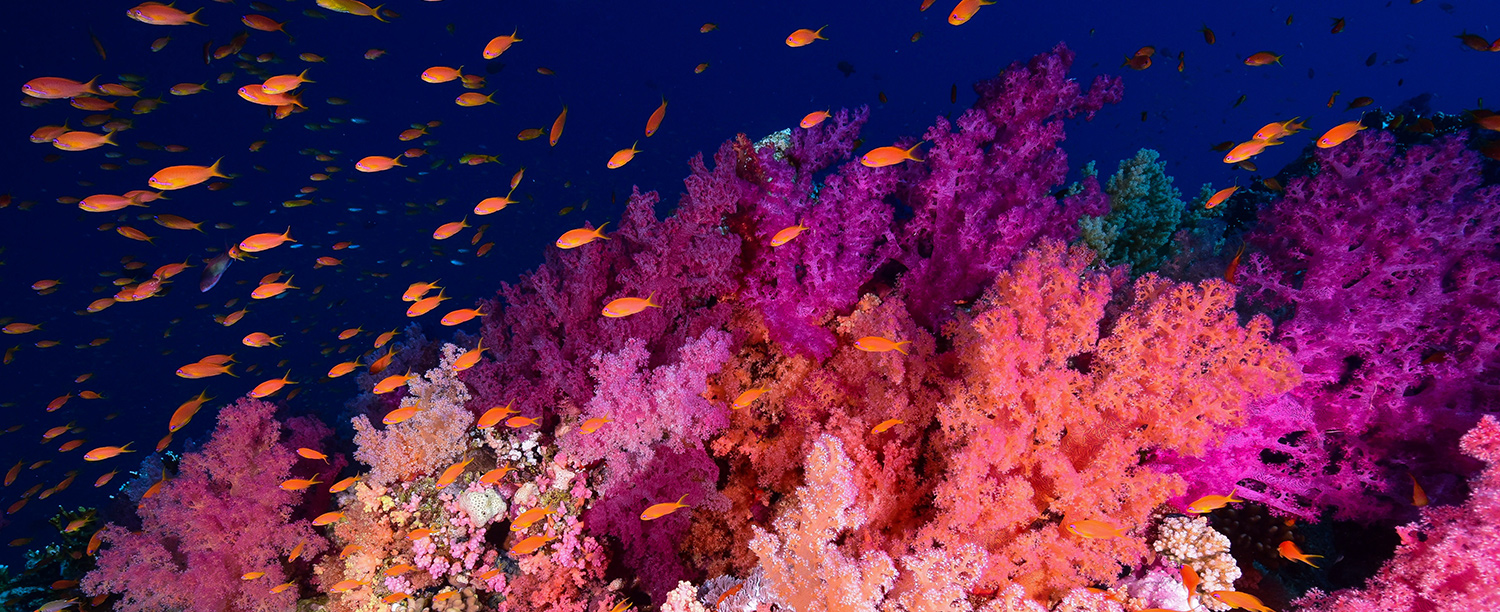
Credit: Cinzia Osele Bismarck / Ocean Image Bank
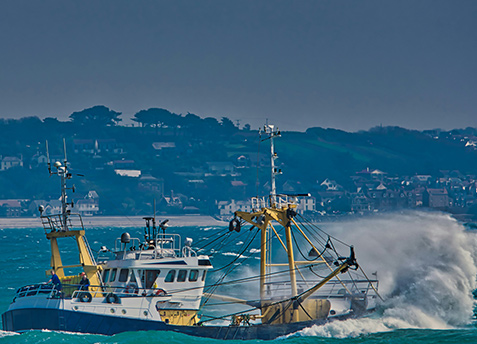
Credit: Lawrence Hookham
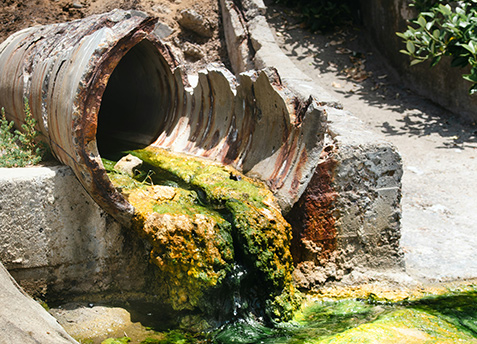
Credit: Meanwhile in San Diego
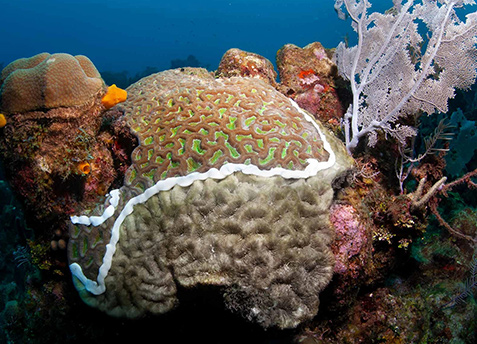
Credit: Antonio Busiello
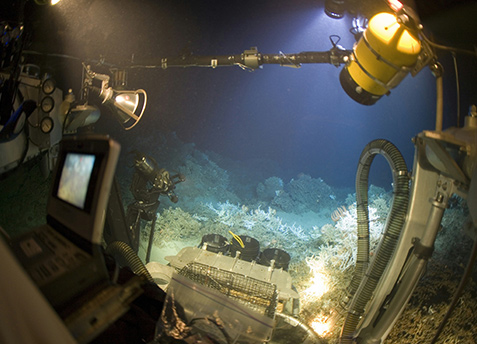
Credit: NOAA
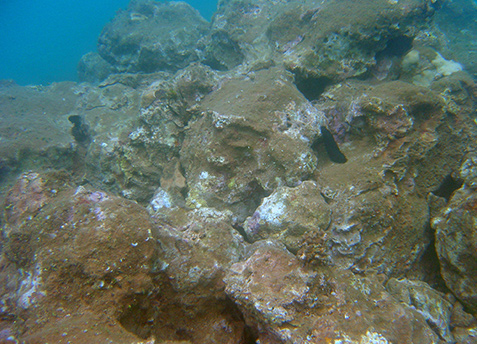
Credit: Xandro Vandewalle
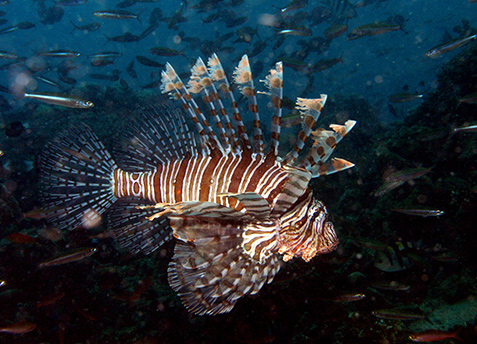
Credit: Julie Bedford
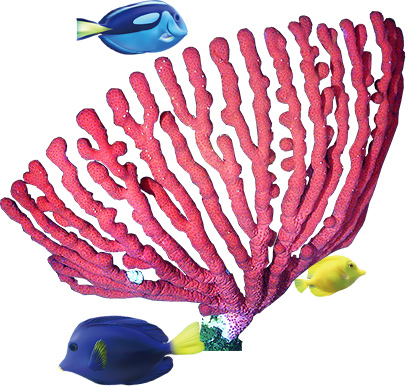
Cold-water corals are found in deeper, darker and colder waters, often far from the tropical reef environments most people know. They can form complex habitats that support many marine species, including commercially important fish.
Because they are less visible, cold-water corals are often less understood. But they are also vulnerable to human impacts, including bottom trawling, deep-sea activities, pollution and ocean acidification.
Many cold-water corals grow slowly, which means damage can take decades or even centuries to recover.
From January 2023 to the end of 2025, tropical corals around the world suffered the worst mass coral bleaching event on record.
This event was triggered by rising global sea surface temperatures caused by greenhouse gas emissions. This mass bleaching event affected at least 84% of the world’s reef areas, causing extensive coral loss in some regions.
Warming temperatures and increased ocean acidity dissolve the calcium carbonate skeletons of corals and affect their ability to create energy through photosynthesis.
The IUCN estimates that 44%, representing more than 340 species, of warm-water reef-building corals are already at risk of extinction.
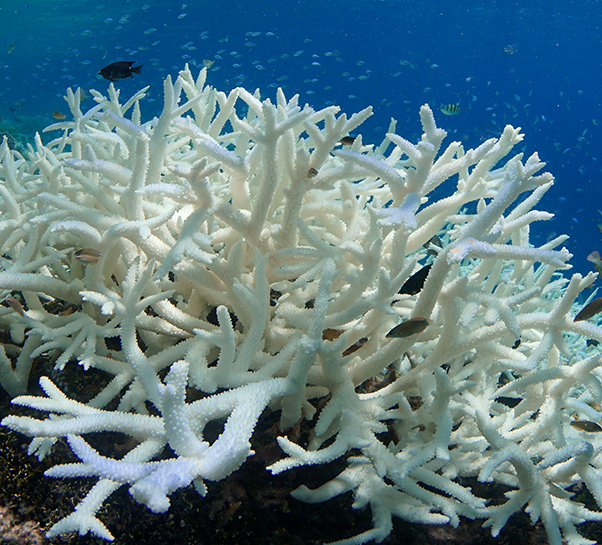
Credit: The Ocean Agency / Ocean Image Bank
There is no single solution to the coral crisis. However, the initiatives funded by CORDAP can help tackle the growing challenge while stronger and more scalable solutions continue to be developed.
From new technologies, including probiotics designed to improve coral resilience, to conservation efforts such as blending artificial and natural reefs or employing sea urchins as bodyguards for baby corals, CORDAP is at the forefront of coral research.
CORDAP is also committed to reducing the funding gap between the Global North and Global South.
By working with scientists and local communities in low-income and middle-income countries, including many of the nations most affected by coral loss, CORDAP helps develop science-based solutions that respond to local contexts.
CORDAP is actively delivering a range of science-based solutions to protect and restore coral ecosystems.
Supporting this work can help strengthen research, innovation and collaboration, giving promising solutions the opportunity to be tested, improved and applied where they are needed most.
Credit: Noemi Merz / Ocean Image Bank
Intergovernmental Panel on Climate Change. 2022. Climate Change 2022: Impacts, Adaptation and Vulnerability. Contribution of Working Group II to the Sixth Assessment Report of the Intergovernmental Panel on Climate Change. Summary Volume.
International Union for Conservation of Nature. 2022. Coral Reefs and Climate Change.
International Union for Conservation of Nature. 2024. Over 40% of Coral Species Face Extinction, IUCN Red List.
Moberg, F. and Folke, C. 1999. Ecological Goods and Services of Coral Reef Ecosystems. Ecological Economics, 29(2), 215 to 233.
National Oceanic and Atmospheric Administration. 2019. What Are Corals?
Perry, C. T., de Bakker, D. M., Webb, A. E., et al. 2025. Reduced Atlantic Reef Growth Past 2°C Warming Amplifies Sea-Level Impacts. Nature, 646, 619 to 626.
Sack, K., and Kurukulasuriya, P. 2025. Why Coral Reefs Represent the Ultimate Climate Investment. World Economic Forum.
Souter, D., Planes, S., Wicquart, J., Logan, M., Obura, D., and Staub, F., editors. 2021. Status of Coral Reefs of the World: 2020 Report. Global Coral Reef Monitoring Network and International Coral Reef Initiative.
Thompson, J. 2018. Deep-Sea Corals. Smithsonian Ocean.
Coral ecosystems cover only a small part of the ocean, but their importance is far greater than their size. They support biodiversity, protect communities, contribute to local economies and help maintain the balance of marine environments.
Coral ecosystems provide habitat, shelter and nursery areas for thousands of marine species.
Healthy reefs can reduce wave energy and help protect coastlines from storms, flooding and erosion.
Coral ecosystems support fisheries, tourism and local economies, particularly in coastal communities.
Coral ecosystems support research and innovation, including discoveries linked to biology, medicine and climate resilience.
Protecting existing coral ecosystems remains essential. But in many places, coral loss has already occurred, which means restoration can also play an important role.
Coral restoration is complex. It cannot replace the need to reduce threats, but it can help support recovery when it is carefully designed, monitored and adapted to local conditions.
To make a meaningful difference, restoration needs better tools, stronger evidence, long-term monitoring and solutions that can be tested, improved and scaled responsibly.
Protect
Safeguard existing coral ecosystems and reduce the pressures affecting them.
Credit: Yen-Yi Lee / Ocean Image Bank
Restore
Support the recovery of damaged coral habitats through responsible, evidence-based approaches.
Credit: Yen-Yi Lee / Ocean Image Bank
Innovate
Develop new tools, technologies and methods that can improve conservation and restoration outcomes.
Credit: Yen-Yi Lee / Ocean Image Bank
Scale
Move promising solutions beyond small pilot projects and towards wider, real-world application.
Credit: Yen-Yi Lee / Ocean Image Bank
Coral ecosystems are changing quickly. Repeated bleaching events, climate pressures and continued local impacts are reducing the ability of many coral systems to recover naturally.
The situation is urgent, but not hopeless. Around the world, scientists, communities and organisations are developing solutions that can help corals survive, recover and adapt.
With the right support, these solutions can be tested, strengthened and scaled.
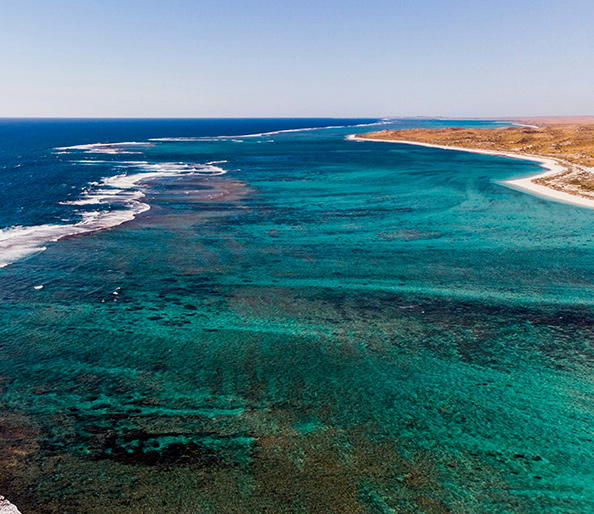
Credit: The Ocean Agency / Ocean Image Bank
CORDAP supports the development of science-based solutions for coral conservation and restoration. Through funding, collaboration and knowledge-sharing, CORDAP helps accelerate research and innovation with practical relevance and global potential.
Its work connects researchers, institutions, partners and funders, helping build a global community focused on protecting and restoring warm-water and cold-water corals.
Supporting scientific and technological innovation for coral conservation and restoration.
Connecting expertise across countries, disciplines and institutions.
Helping transform knowledge and ideas into solutions that can be applied in real-world contexts.
Contributing to a future where coral ecosystems and the communities connected to them are better supported.